
Switzerland's Sacred Sunday
Why Switzerland takes quiet on the last day of the week so seriously.
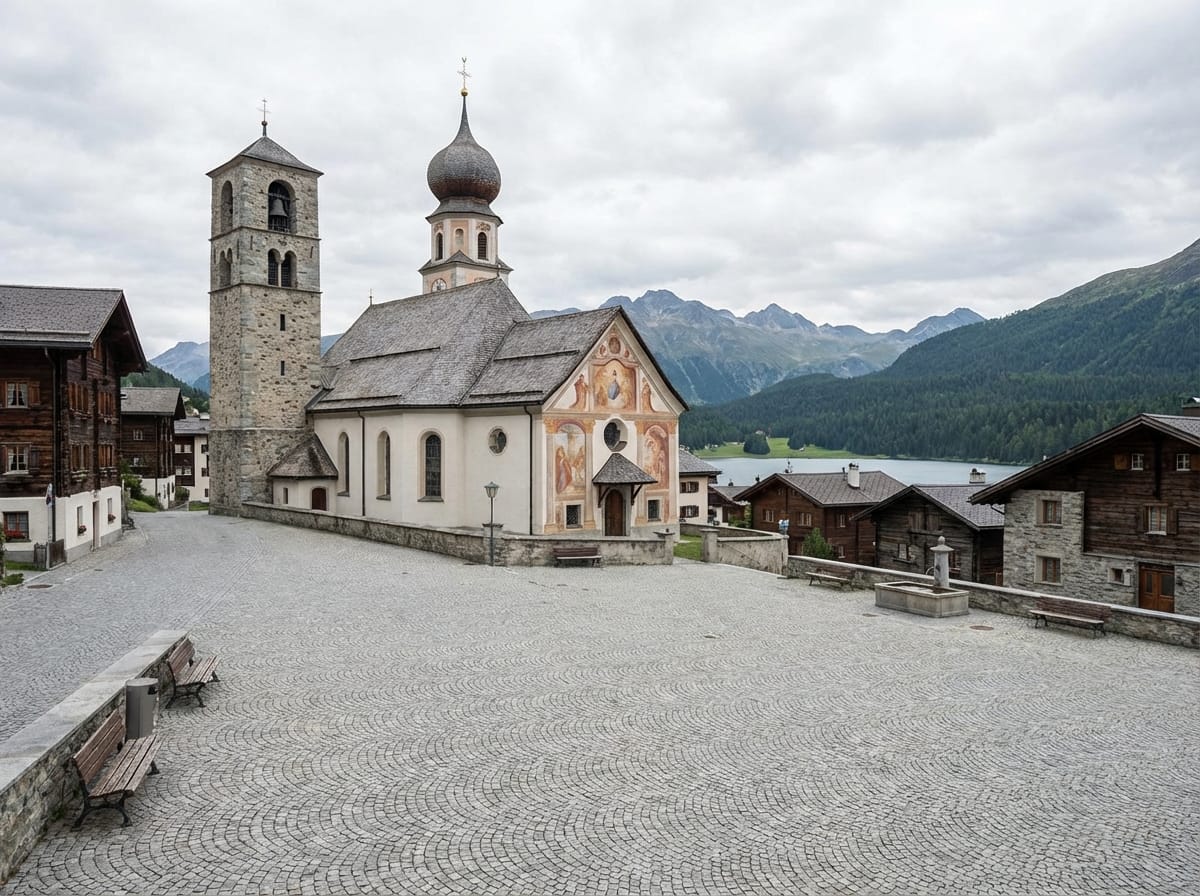
Switzerland runs like clockwork from Monday to Saturday. And then Sunday arrives, and the entire country shuts down as if someone pulled the plug. But this didn't happen by accident. Swiss Sunday rest has deep roots, and not surprisingly, they go back to the church. If you're new here, Swiss Sunday rules are one of the first culture shocks.
Where the quiet came from
For centuries, Sunday was the Christian day of rest. In Switzerland, the Protestant Reformation took a particularly strong hold. The idea of how one should spend their Sunday became civic law. You didn't work or make any noise. You went to church, you rested, and you let others do the same.
Over time, the church lost its grip on most of daily life throughout the country (especially in the internationalized urban centers). But Sunday? Sunday stayed largely untouched.
When modern labour law caught up, it gave the Sunday tradition a second justification: workers' rights. Swiss employment law protects Sunday as a mandatory rest day, and the federal government (of course) has a public information page explaining it in simple terms.
Retail employees are entitled to have the day off. That's why your local Migros is closed. That's why there's no one stocking shelves at H&M. It's not just a cultural habit; it's legally protected rest for the people who serve you every other day of the week.
So when your Swiss neighbor looks confused that you're drilling IKEA furniture on a Sunday afternoon, they're probably carrying about 500 years of history in that look. It's as ingrained in the Swiss way of life as arriving five minutes early to meetings.
Sunday is not your chore day
This hits hardest for expats from countries where Sunday is just another regular day (looking especially at you, North Americans and East Asians, where 24-hour shops are the norm). In Switzerland, Sunday is for rest. Period.
Mowing the lawn is forbidden. Running the washing machine or vacuuming is frowned upon. Playing loud music can earn you a formal complaint. Drilling, hammering, or any construction noise? Absolutely not.
Justin once tried to assemble IKEA furniture on a Sunday afternoon. Within 20 minutes, there was a knock on the door. The neighbour didn't seem so much angry as confused. "It's Sunday," he said, as if that explained everything. And in Switzerland, it does.
The upside? Once you adapt to it, Swiss Sundays are genuinely wonderful. Brunch with friends. A hike in the mountains. A calm, long walk along the lake. The whole country slows down together, and there's something beautiful about that. It's a forced opportunity for a mini-reset.
Where to shop on a Swiss Sunday
Everything being closed on one of your two free weekend days is something to get used to. And in many places, shops close early even on other days of the week. Most grocery stores close between 19:00 and 20:00 on weekdays, around 17:00 on Saturdays, and are of course completely closed on Sundays. Compared to just a decade ago, this can already be seen as an "improvement" for the 9-to-5 employee. Migros across major cities like Zurich and Basel used to close at 18:30 during the week. Now, some are open even until 21:00 during the week. But I don't expect opening hours to shift much later in the coming years. Being able to take true late-night Migros shopping trips might have to remain just a dream.
PRO tip: Migros and Coop shops inside major train stations (Zürich HB, Bern, Basel, Geneva) are open later and also on Sundays. But expect heavier crowds. The sweet spot? Shopping on Friday evening or on Saturdays before 9am. Then the shelves are fully stocked, and the weekend crowds haven't shown up yet.
Wrap Up
Now you know:
- Closed stores on Sundays are just following national laws.
- Do any loud chores on Saturday. Your neighbors will gladly remind you that Sunday should stay noise-free throughout the building.
- If you urgently need groceries on a Sunday, plan to travel to the nearest major train station.