What Makes the Swiss Workplace Different
There are some unspoken rules to follow at one of the places where you spend most of your time.
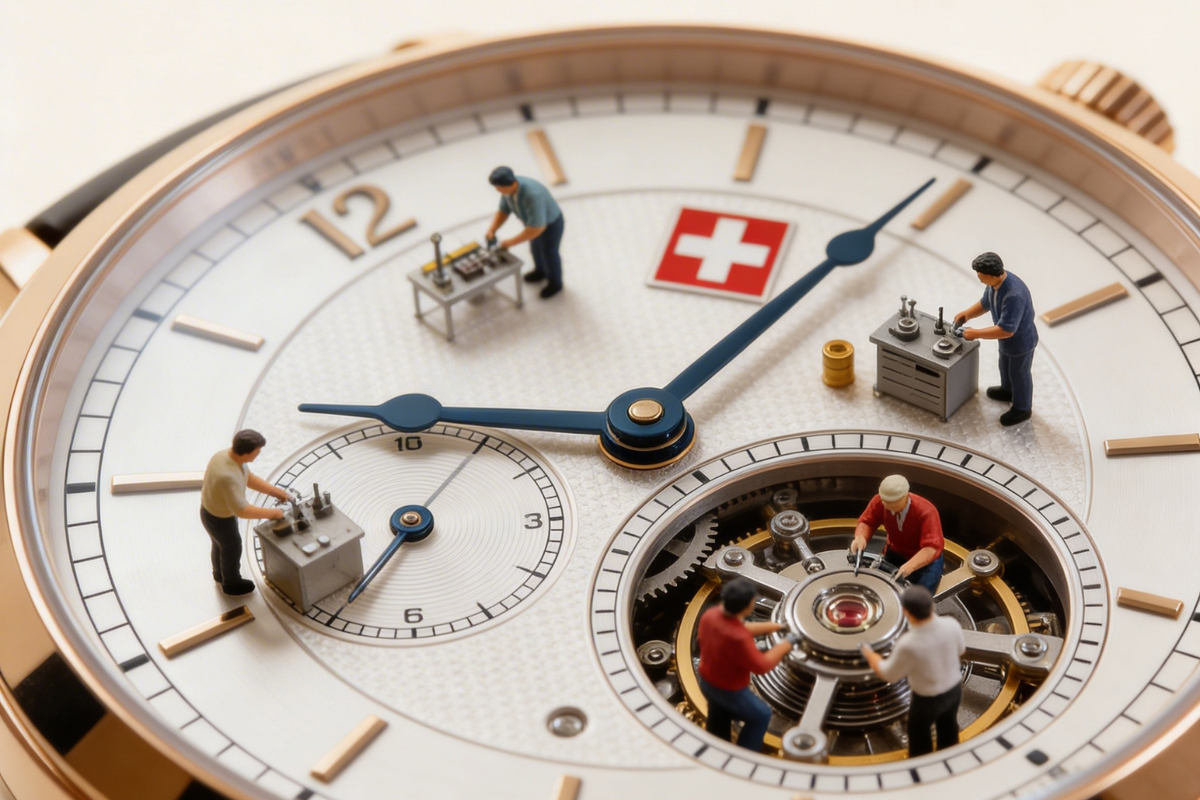
If you've ever wondered what Swiss workplace culture actually looks like on the inside, you can imagine it like working inside a Swiss watch. Everything has a process. Everything has a timeline. And being late is not taken so lightly.
Being on time means being five minutes early
The first rule of Swiss office etiquette we thought to introduce is simple but absolute. Being "on time" in Switzerland means arriving 5 minutes before the scheduled start. Being 2 minutes late to a meeting requires an explanation. Being 5 minutes late requires an apology. Being 10 minutes late and you might as well not show up.
Put shortly: The Swiss value punctuality. SBB trains across the country leave on the second. Not the minute, the second! If your train departs at 08:17, it leaves at 08:17:00. Arrive on the platform at 08:17:20, and you'll watch it disappear. While daily life at the office may not be measured in seconds, the work culture is built on the same foundation.
Lunch time is personal time
Swiss people often eat lunch alone, bring food from home, or leave the office entirely to eat somewhere else. In some workplaces, it might be common for the team to eat together. Inviting someone to lunch is a bigger social step than in many other cultures. It signals you actually want to get to know them.
To officially start any group meal, the Swiss say "En Guete" (or "Bon appétit" in Romandie). No one starts eating until this has been said, and there is almost an uncomfortable feeling in the air if it needs to be said but hasn't yet. At a restaurant, you wait until everyone at the table has been served. If your meal arrives first and others are still waiting, you do not start eating. Your way out of waiting is for the person across from you to give a sort of magic permission to break the rule. Something like: "Go ahead and eat before your food gets cold."
Bring a cake on your birthday
In most countries, your colleagues celebrate your birthday. In Switzerland, you celebrate your colleagues. The birthday person is the one who brings the cake (or some other kind of sweet treat, croissants, or "Zopf") to the office. It is not common to organize a gift or to collect money for the birthday person (that is usually reserved for their last day in the office when they change jobs). When it is your birthday, you bring the goods, people say "happy birthday," and everyone eats cake at 10 am. And people will like you more if you remember to bring a cake, so bring one when it's your turn.
First-name basis isn't automatic
In many Swiss workplaces, especially in more traditional or large corporate ones, you should use "Sie" or "Vous" or "Lei" (formal you) with seniors and managers until explicitly told otherwise. Switching to "du" or "tu" is a social milestone, not a default. English-speaking offices, of course, have it easy here since there is no formal "you" in English, but don't forget the right form whenever you get the chance to chat in German, French, or Italian.
Read more about language and politeness when out in public.
Small talk has its limits
Swiss colleagues are friendly but private. Questions about salary, their personal living situation, relationship status, or finances can be largely off-limits even with people you've worked with for years. Keep small talk with someone you do not know very well to less personal topics (like the weather or your weekend plans - kind of generic, I know, but I promise you can upgrade your coffee break exchanges over time).
Nobody will tell you you're doing it wrong
Swiss workplace culture values harmony over confrontation. This means if you're making a mistake, nobody will pull you aside and tell you directly. Instead, you'll receive "hints". These hints might include getting feedback phrased as "one possible suggestion might be...", or simply noticing that your idea was discussed, acknowledged, and then completely ignored. This is not passive-aggressiveness (well, sometimes it is). It's the Swiss communication style: indirect and diplomatic. If you're used to directness, it might feel deeply frustrating at first. Stay strong.
Meeting culture is consensus-driven
Decisions in Swiss workplaces often take longer than expected because everyone's input is valued and considered. Don't confuse slow decision-making with indecision. It's thoroughness. And once a decision is made, it usually sticks. If you're leading a meeting, provide enough space to hear feedback and invite everyone to give input.
Vacation is sacred and planned far in advance
Swiss employees take their full vacation entitlement and plan it months ahead. Last-minute time-off requests are often frowned upon. Summer vacation weeks in particular are often booked by January. And in July and August, it can feel like everyone else in your office is gone. These are two great months not to take a vacation if you value some quiet downtime in the office. Or this is exactly the time to make sure you're also on vacation (to avoid getting all the work from your colleagues currently lying on a beach somewhere).
The Feierabend is real
When the workday ends, it ends. Swiss colleagues don't typically stay late to signal dedication. Leaving on time is normal and expected, not laziness. Working late is often seen as a sign of poor time management or unrealistic planning, not commitment. While some workplaces might value organizing get-togethers with work colleagues in the evenings, this is less common. The Swiss have busy personal lives and pre-plan social engagements weeks in advance (much like their vacations). Chances are high they are already busy most evenings for the next two weeks. They simply don't have the capacity to accept a spontaneous invitation to dinner on the day of.
PRO tip: Want to hang out with your Swiss colleagues after work during the week? Then suggest it early and agree on a date far in advance.
Wrap Up
Now you know it's important to:
- Be early for meetings
- Respect the lunch preferences of your colleagues and say the magic words before you start eating
- Check for birthday etiquette at your workplace and don't forget your own birthday cake if expected
- Use the formal you when needed and be considerate of privacy during small talk
- Listen for indirect hints of feedback and criticism
- Provide space and time during meetings for thoughts and feedback
- Plan your vacations (and evenings with work colleagues) far in advance